
Just because summer is over doesn’t mean I’m done gardening.
I don’t know about you, but by the time October rolls around, my summer garden is usually looking a little rough. Some plants are still hanging on, others have completely given up, and I’m standing there trying to decide what needs to go and what deserves another chance.
But I’m not ready to call it quits just yet.
One thing I love about gardening in the Memphis area is that we get a pretty decent growing season. I’m in Zone 7b/8a, and while summer might get all the attention, there’s still plenty happening in the garden once the temperatures start dropping.
Actually, I think I might enjoy fall gardening a little more. I’m not fighting the heat, the mosquitoes aren’t quite as disrespectful, and I can spend time outside without immediately regretting my decision.
So here’s what I’m considering planting this October, along with a few things I learned from last year’s garden.
Looking Back at Last Year’s Fall Garden
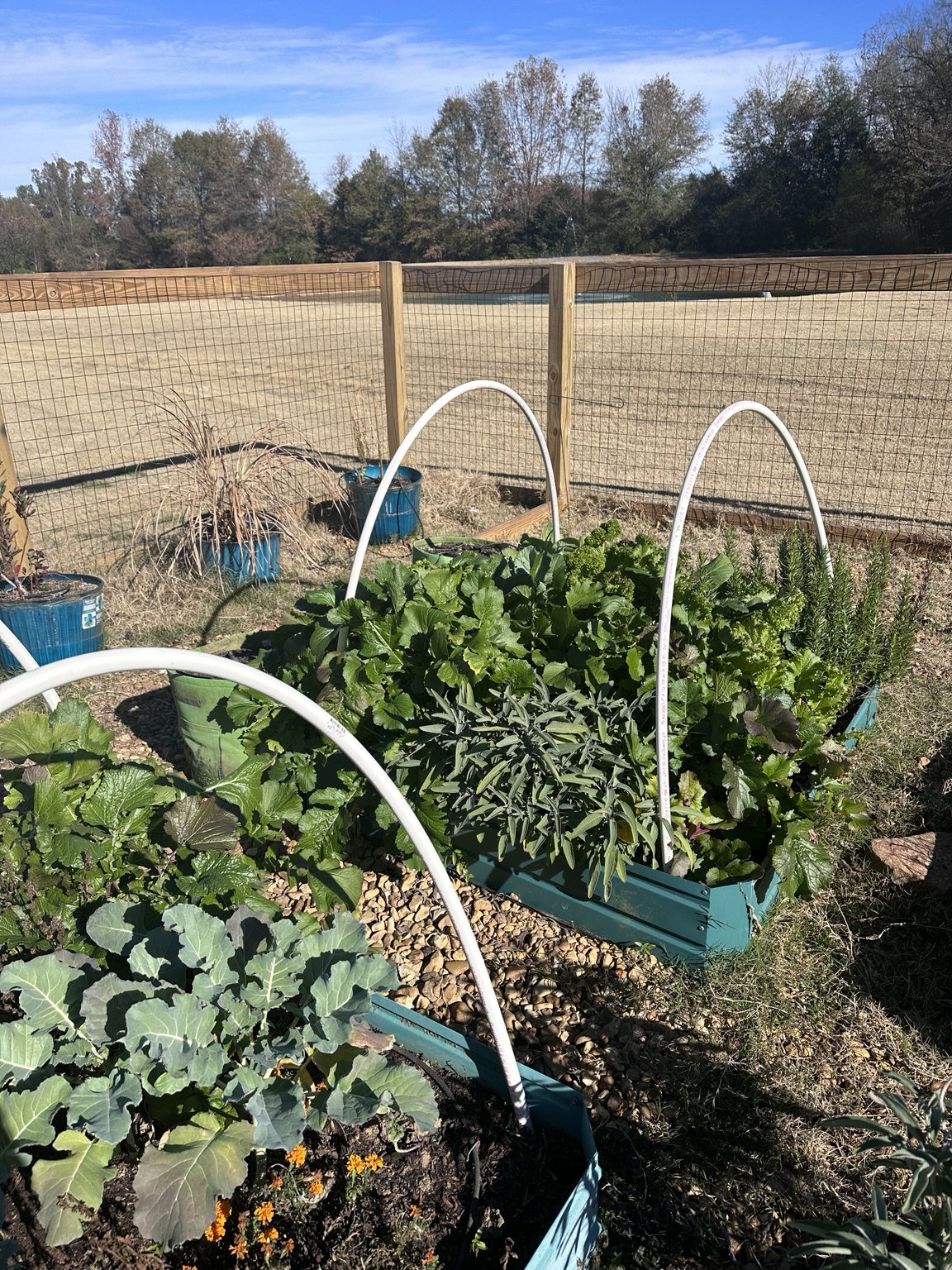
Last year’s fall garden reminded me just how much I enjoy growing things when the weather cools down. I had raised beds filled with leafy greens and herbs, and looking back at the pictures, I’m reminded of how much everything filled in.
There was something satisfying about seeing all that green when the rest of the yard was starting to slow down. And, of course, everything wasn’t perfect.
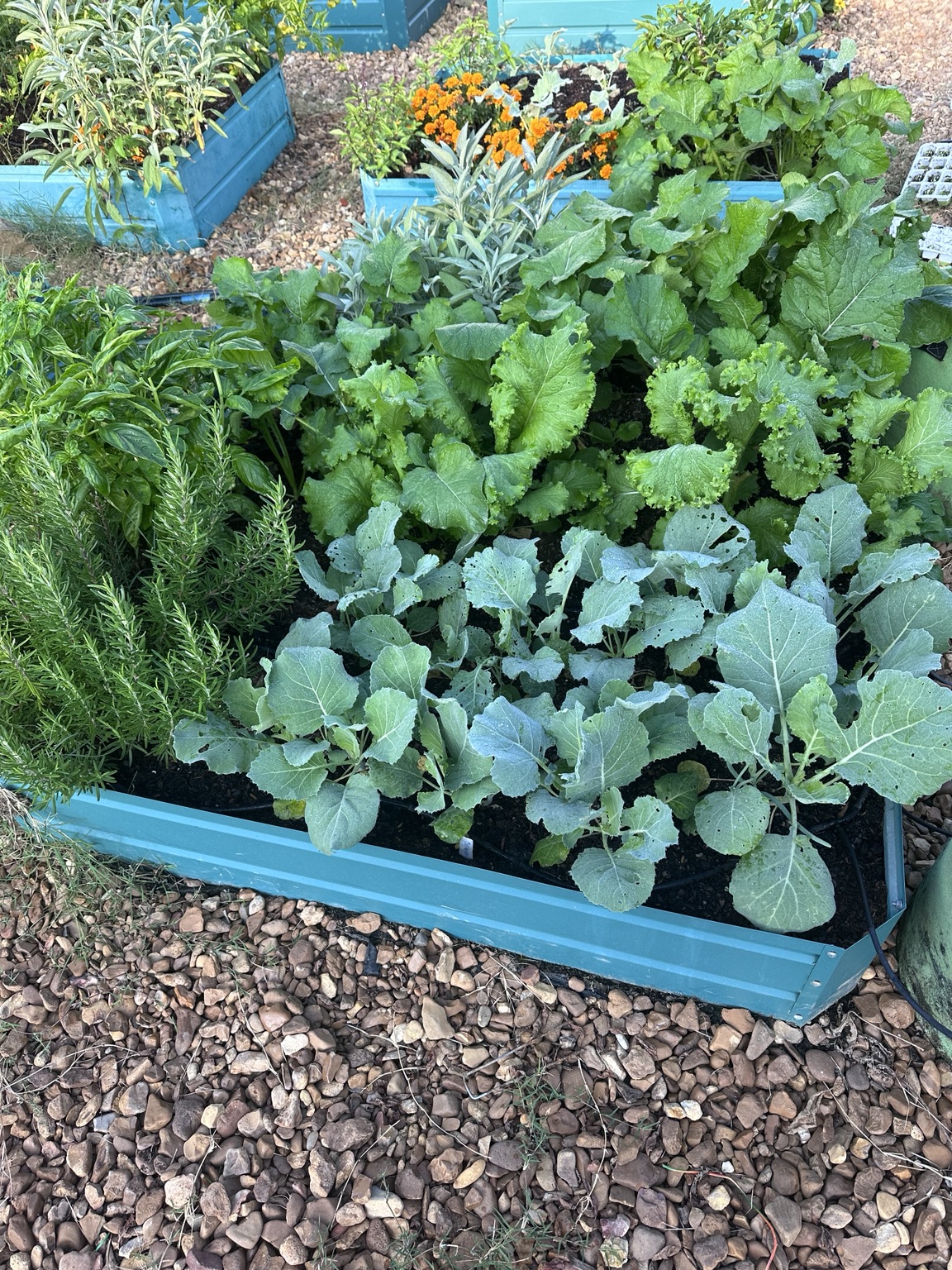
Some of my greens had their fair share of insect damage. Apparently, I wasn’t the only one interested in eating them. But that’s gardening. You plant things, you learn what works, and occasionally you end up feeding the bugs.
What I really liked was having different vegetables and herbs growing together. The garden felt productive without needing to be overly complicated. That’s something I’d like to carry into this year.
I’m Starting With Greens
If there’s one thing I want plenty of this fall, it’s greens. Collards, mustard greens, kale, spinach, lettuce. I want a little bit of everything.
The nice thing about many leafy greens is that they prefer cooler weather. Some can even handle a light frost, which makes them good candidates for a Tennessee fall garden.
Collard greens: Established collards can tolerate cold weather and keep producing into the cooler months.
Mustard greens: I love that there are so many varieties to choose from. They’re relatively quick growers, too.
Kale: Another cold-tolerant option. I like that I can harvest individual leaves instead of pulling up the entire plant.
Spinach: Spinach prefers cooler temperatures, so fall is a good time to try it. Getting it started can take a little patience, though.
Lettuce: I’m leaning toward loose-leaf varieties because I like harvesting what I need and leaving the rest growing.
Now, here’s the part that matters. It’s already October. I’m not expecting every seed I plant to turn into a full-sized vegetable before winter arrives. Some greens may only produce baby leaves this fall, while others might need protection to continue growing. And that’s fine with me.
Carrots Are Getting Another Chance
I have a love-hate relationship with growing carrots. I love the idea of growing them. Actually getting them to germinate consistently? That’s another story.
Carrot seeds are tiny, they take their sweet time coming up, and if the soil dries out at the wrong moment, you might find yourself starting over. But I’m trying again.
Carrots generally prefer cooler growing conditions, and they can handle some cold once established. The challenge with planting them in mid-October is timing. Depending on the variety, they may not reach full size before winter slows everything down.
So I’m considering shorter varieties and keeping my expectations reasonable. If I end up with a few good carrots, great. If I end up learning something for next year, well, that’s gardening.
I’m Not Done With Herbs Yet
Summer might be over, but I’m definitely not packing up my herbs. Actually, a few of them might appreciate the cooler weather more than I do.
Cilantro is at the top of my list. If you’ve ever tried growing cilantro through a Tennessee summer, you already know how quickly it can bolt. One minute you have a nice little plant, and the next minute it’s flowering like it has somewhere to be.
Cooler temperatures give cilantro a much better chance. I’m also considering parsley, dill, and chives.
Parsley and chives can tolerate cooler weather once established, although newly planted seeds still need time to grow. Dill enjoys cooler conditions, too, but with winter approaching, I wouldn’t count on a large harvest from seeds planted this late.
I’m thinking about using some of my existing planters for herbs, especially ones I can move or protect if we get an unexpected cold snap. And if something doesn’t make it? There’s always spring.
Garlic Is Going in the Ground
Garlic is one of those crops that makes you feel like you’re really planning ahead. You plant it in the fall, let it spend the winter doing its thing, and wait until late spring or early summer to harvest. No instant gratification here.
But October is a good time to start thinking about planting garlic in Tennessee. I’ll be looking for varieties suited to our climate, especially softneck garlic or adaptable hardneck varieties.
The plan is to separate the bulbs into individual cloves, plant them with the pointed ends facing up, and give them a layer of mulch. Then comes the hard part. Leaving them alone. I’m pretty good at checking on plants that don’t need checking, so we’ll see how that goes.
A Few Quick-Growing Vegetables Are Still Worth Trying
I also want to grow a few things that don’t take forever. Radishes are an obvious choice. Some varieties can mature in around 25–35 days under favorable conditions, although cooler temperatures and shorter days can slow them down.
Turnips are another possibility, especially if I’m growing them for the greens. I’m also considering arugula, which grows quickly and does well in cooler weather.
These are the kinds of crops I think make sense for a late fall garden. I can plant smaller amounts, see how they perform, and adjust as needed. I’m not trying to turn every empty garden bed into a major project. Sometimes I just want to plant something and see it grow.
What Can You Actually Plant in October in Tennessee?
This is where I think it’s important to be realistic. Just because a vegetable is considered a fall crop doesn’t mean you can plant it at any point during fall and expect the same results.
Here in the Memphis area, our first fall frost often arrives around late October or early November, although the actual timing varies. And while USDA hardiness zones are helpful, they don’t tell us everything.
Zone 7b/8a describes typical winter minimum temperatures. It doesn’t tell you exactly when your first frost will arrive or how quickly your vegetables will grow in November. By mid-October, we’re also dealing with shorter days, and even cold-tolerant vegetables grow more slowly when there’s less sunlight.
Here’s how I’m thinking about planting right now:
| Crop | My October Plan |
|---|---|
| Collards and kale | Plant for baby greens or use transplants for a head start |
| Mustard greens | Direct sow and harvest young leaves |
| Spinach | Direct sow for late fall or overwintering |
| Loose-leaf lettuce | Plant small amounts and protect during freezes |
| Radishes | Try quick-maturing varieties |
| Carrots | Experiment with short-season varieties; expect slower growth |
| Cilantro | Direct sow while temperatures are cooler |
| Parsley | Use established plants or transplants |
| Garlic | Plant cloves for next year’s harvest |
| Turnips | Grow primarily for young greens this late in the season |
I’m also keeping frost cloth in mind. A little protection can make a difference when temperatures dip, although it won’t magically turn December into September. And that’s something I’m learning to work with instead of fighting.
I’m Trying Not to Overcomplicate My Fall Garden
I have a habit of getting excited about an idea and immediately thinking of twelve more things I could do with it. Gardening is no exception.
One minute I’m planting lettuce, and the next I’m planning another raised bed, rearranging the garden, and researching vegetables I’ve never even eaten.
So this fall, I’m trying something different. I’m focusing on using the space I already have. I want to plant smaller amounts, keep track of what actually grows well, and avoid making everything more complicated than it needs to be.
I’m also trying to be more intentional about what I plant. There’s no point growing a bunch of something nobody in the house wants to eat. Well, unless I just really want to see if I can grow it. That’s a perfectly reasonable exception.
A Little Planning Now Makes Spring Easier
Another thing I’m thinking about is how fall gardening can help me prepare for next year. Even if I don’t get a huge harvest, I can still spend time improving the soil, cleaning up old plants, adding mulch, and deciding what I want to do differently.
I’m also paying attention to which areas of my garden get the most sunlight as the seasons change. That’s something that’s easy to overlook during summer when everything seems to be getting plenty of sun.
Fall gives me a chance to slow down a little and actually observe what’s happening. And honestly, that’s probably something I need to do more often.
The Garden Doesn’t Have to Be Perfect
I think sometimes we put too much pressure on ourselves to have these beautiful, productive gardens that look like something out of a magazine. But that’s not what my garden looks like every day.
Sometimes things are overgrown. Sometimes I forget what I planted. Sometimes something grows beautifully, and I have absolutely no idea why. And sometimes I spend more time planning than actually gardening.
But I still enjoy it. That’s what I want to remember this fall. I don’t need to fill every bed or grow every vegetable on my list.
If I get some fresh greens, a few herbs, and garlic growing for next year, I’ll consider that a pretty good season. And if a few things don’t work out, I’ll have something to experiment with next time. Because there’s always something new to learn in the garden.